

Marketing 101
Buckle up, we're going back to school!

Today’s post is inspired by one particular line in “The Scientist” by Coldplay that’s been playing on loop in my head:
Going back to the fundamentals is sometimes the most important thing to do when you’re feeling stuck. And if I’m hearing anything from the discourse on Instagram, Threads, or TikTok…a lot of us are feeling stuck when it comes to marketing. So let’s go through some of the basics that I think about in my day to day job, and you should start thinking about in your author career…
Find Your People:
Know your audience. And, spoiler, your audience is not “anyone who reads or has ever read anything ever”. Your focus should be on connecting with the readers that are more likely to engage with your content, read (and review) your books, and that will probably vibe with what you’re putting down (aka like your words).
There are a few ways you can do this: the simplest is to grow your followers organically and just keep encouraging likes/shares of your books (you will always have a devoted base that does this, and you can incentivize it with giveaways or contests). This can take time and, if you have a specific follower goal in mind, it may not always be easily achievable. So, this is where you need to start really digging into who you are as an author.
First, think about your comps (these are the authors and/or books that you’re most like…and, keep in mind, this doesn’t mean it’s the author or book that you’re 100% a carbon copy of, but the ones that have key things in common with you). Find the big publishing ones, and the smaller ones. Comps are great whether you’re an indie author or agented, because it helps readers quickly identify what you’re about in a sea of available books - and find you based on their own loves. Lean into marketing yourself in a similar way you see your comps doing it, and, more importantly, seek out accounts and readers that are regularly engaging with that type of content.
Second, check your stats. All your social media will show you a lot about your followers are - where they’re located, their age range, and their disclosed gender. While this is broad, if you ever wanted to do paid ads, this is a great starting point (and you can add interests on top of that).
Finally, you’ll want to seek out feedback from readers you trust. If you’re building a community and engaging meaningfully, some of your readers will quickly become friends. Lean into that as a way to understand how to best appeal to more of…them! We can often be super harsh on ourselves or have blind spots about our work, so get feedback from those that love and know your books best. Ask them how they would describe your books, ask them what kind of content would resonate with them most, as them to join in on any lives/broadcast channels/etc you have to get them as part of your internal support system.
Always Buy Name Brand:
I can’t understate the important of a brand. And of brand consistency. Your brand is so much more than just your logo and colors. It’s the narrative you manage and put out there to let consumers know not just who you are but also what you’re about.
There’s a fine line between marketing You, The Author™️ and marketing a book. Both require authenticity (it’s a buzzword I stand firmly behind - how many times have you felt duped by the way an author presented themselves or their book? It super sucks and makes you lose trust, fast!) This means not misrepresenting yourself (if you are a dark romance author, light and fluffy branding will definitely not vibe) or misrepresenting your books (don’t market your book as enemies to lovers if they are just annoyed with each other at best).
When you’re looking to rebrand (or make the most out of your brand), remember that consistency matters most and try to stay away from trends (you don’t want something outdated in a year).
So what does consistency look like?
For You, the Author, it looks like your logo, your handle on posts, a cohesive color scheme, a tagline that’s clear about who you are (we have a post we did on this very thing!). For your books, it means the color palette, fonts, the title of your book and release date on your posts, and your book cover making an appearance like it’s a Starbucks (so…one on every corner).
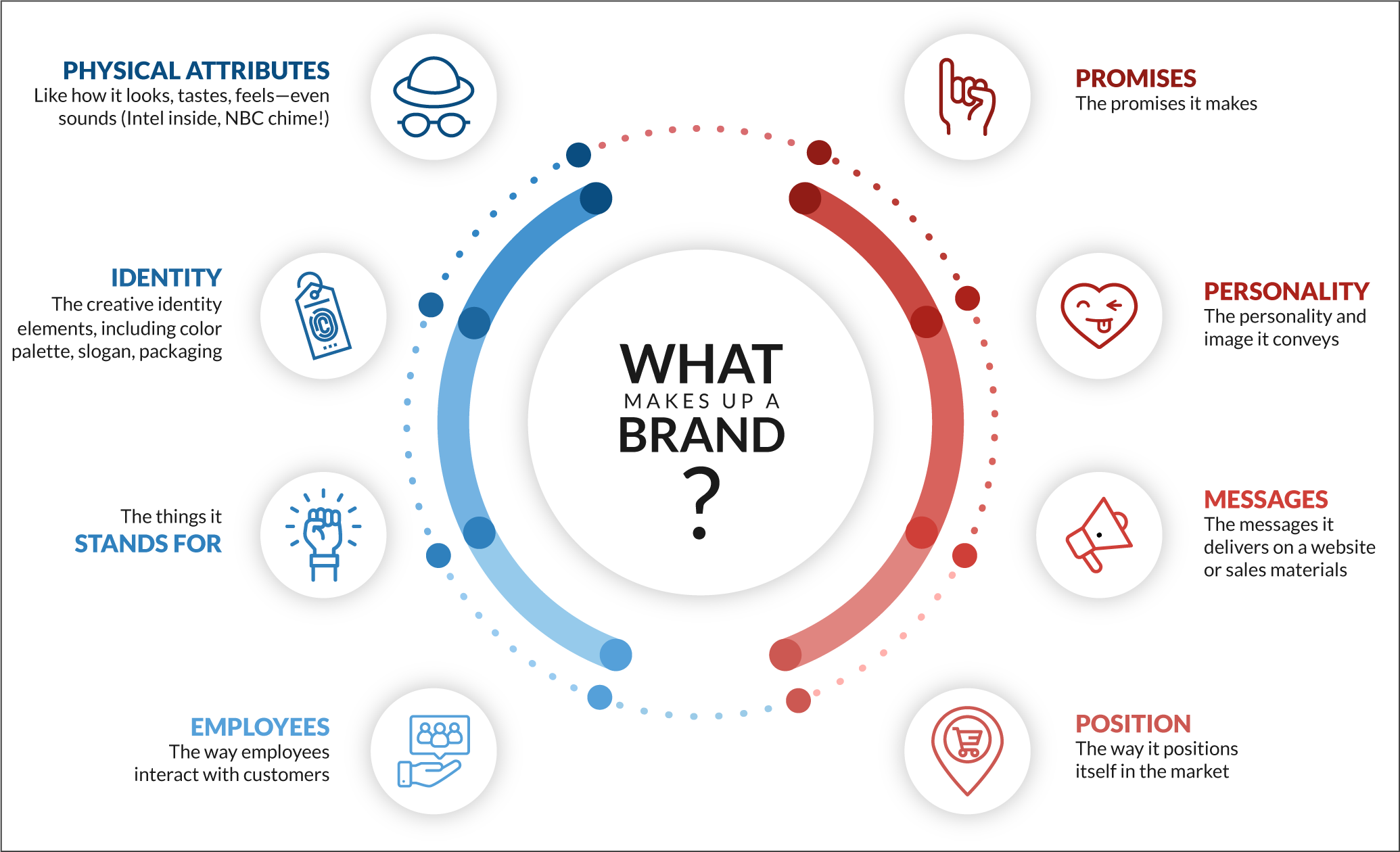
Image from: University of Missouri
Be an outfit repeater:
Repeat your content over and over and over again. I’ve said it multiple times (ha, see what I did there?) but you are NOT annoying anyone by talking about your books (or your tropes or a particular scene).
Consumers need to see an ad up to 7 times before they make a purchase decision.. Think about how many posts you scroll by in Instagram or TikTok - it’s so easy to miss something important when we’re just swiping up. So make sure you reiterate important facts regularly (your book title, release date, tropes, short blurb should be in EVERY caption!), and don’t be shy about reusing post ideas that work (a quote or reel that does well for you once will probably do well for you again!) The internet is massive, our attention spans are short, and anyone who gets mad at you for repeating important information about your book can kick rocks.
Invest in Yourself (your book):
Spend where it matters. Whether you like it or not, like with a wedding, you’re going to have to make a budget for publishing a book (whether indie or traditional). If you’re going at it alone, I cannot stress enough how crucial good editors are - they will make or break your release.
But outside of that, spend on that cover. Consumers do judge books by their covers. You will want to show your cover TIME and TIME again (see section above) so make it one you love, one that fits your book, and one that fits the overall vibe you’re trying to put forward.
Additionally, character art! It was once a luxury but is quickly becoming a necessity. Readers LOVE character art almost as much as I love staying up late reading (hint: it’s an unhealthy amount). This investment has a massive return for you because it’s not only something that will likely deliver reader excitement and get people sharing more about your book, but is also something you can use in many different ways.
Use character art as a pre-order incentive. Use it on static posts or simple reels like this one (they do SHOCKINGLY well, and are super low-fi). Make stickers out of the art. Work with your artist to get individual character pieces done so you can use them in other swag. The sky’s the limit but I highly encourage an investment in this space. You won’t regret it. There are a LOT of character artists out there - a few that I absolutely love: Julia @ TheBookishanimator_, Jay @ kissymoose, Summer @ summergrove, Bruna @ brunagarretart, and Marta @ margana_mgn.
Spread Your Wings & Fly (into inboxes):
Establish an early email list. If you’re new to this author journey, capture email interest for a newsletter early and incentivize readers to subscribe. If you’ve been at this a while, it’s never too late to start (or grow) your email base.
Why spend time on this? Simple - you never know when social media will change (TikTok ban, who?) or you will lose access to your readership (people leave social media, or unfollow, or life simply gets in the way). A newsletter with a solid email base allows you to manage your narrative (it’s all about BRAND, remember?), have a direct line to highly engaged and interested readers, AND track that engagement (wouldn’t it be nice to see if a promo lead to a sale??)
So get into the newsletter habit. Whether it’s weekly, monthly, or quarterly, engage with your readers - give them an update on your writing life, share the books you’re loving lately (nothing better than supporting your fellow authors - building community is so hot right now!), share news of a sale, give exclusive access to a cover reveal, or just ramble on about how much you love your job.
And if you don’t know which platform to start with, I love MailerLite, Beehiiv, Flodesk, MailChimp, or you can stick with Substack if that’s what you’re comfortable with. Integrate your newsletter sign up into your website (use a fancy widget) and link to it in your socials!
Make the keywords work for YOU:
Make your social and retail bios work hard for you. Optimize your social bios to include pertinent information that will hook people in and want to follow you immediately.
Social:
Awards, if any (i.e. “USA Today Bestseller” “Top 100 in Kindle store”)
What you write (“Author of swoony, spicy small town romances. Now writing the XX series”)
A Call to Action (“Book Title Available Now!”)
Links (note: rather than using something like LinkTree, create an unindexed page on your website that has all of your links and drive people there. That way, you get the visits to your site and don’t send them to a third party!)
Retail:
Write in third person and craft a narrative in your own brand voice as an author. This could also easily be your author bio from your books!
I.e. “Ada writes swoony, spicy small town romances that make you feel. A USA Today Bestseller, her books bring hard-earned happily-ever-afters that make readers giggle and blush. When not writing, she’s plotting her next book and hanging out with her dog, Layla. Her next book, “Book Title”, is coming out on March 3rd!”
*note none of this is true, I’m not releasing a book, don’t worry.
Say “I Do”:
Engage engage engage with your followers. There is a fine line between engaging and developing a parasocial relationship that’s hard to maintain, so you need to make sure you’re doing what works for you. But, you will want to spend time replying to comments, sharing posts, and engaging with (kind and respectful) DMs. Do it in a way that keeps your cup full. Whether that’s a bit of time every day, or once a week, or whether that’s something you outsource, make sure you’re engaging to the best of your ability while setting your own boundaries, too. Remember you have the ability to block users, certain keywords, or limit who can tag or DM you. If you’re feeling like you’re too open, it’s ok to set the boundaries you need while still maintaining and growing a loyal and relevant reader base.
Data Nerds Are Cool:
If you take away one thing from me, let it be: start looking at your numbers. Yes look at sales but start getting comfortable tracking your marketing metrics, too.
What you should look for can get very involved, but as a starting point…
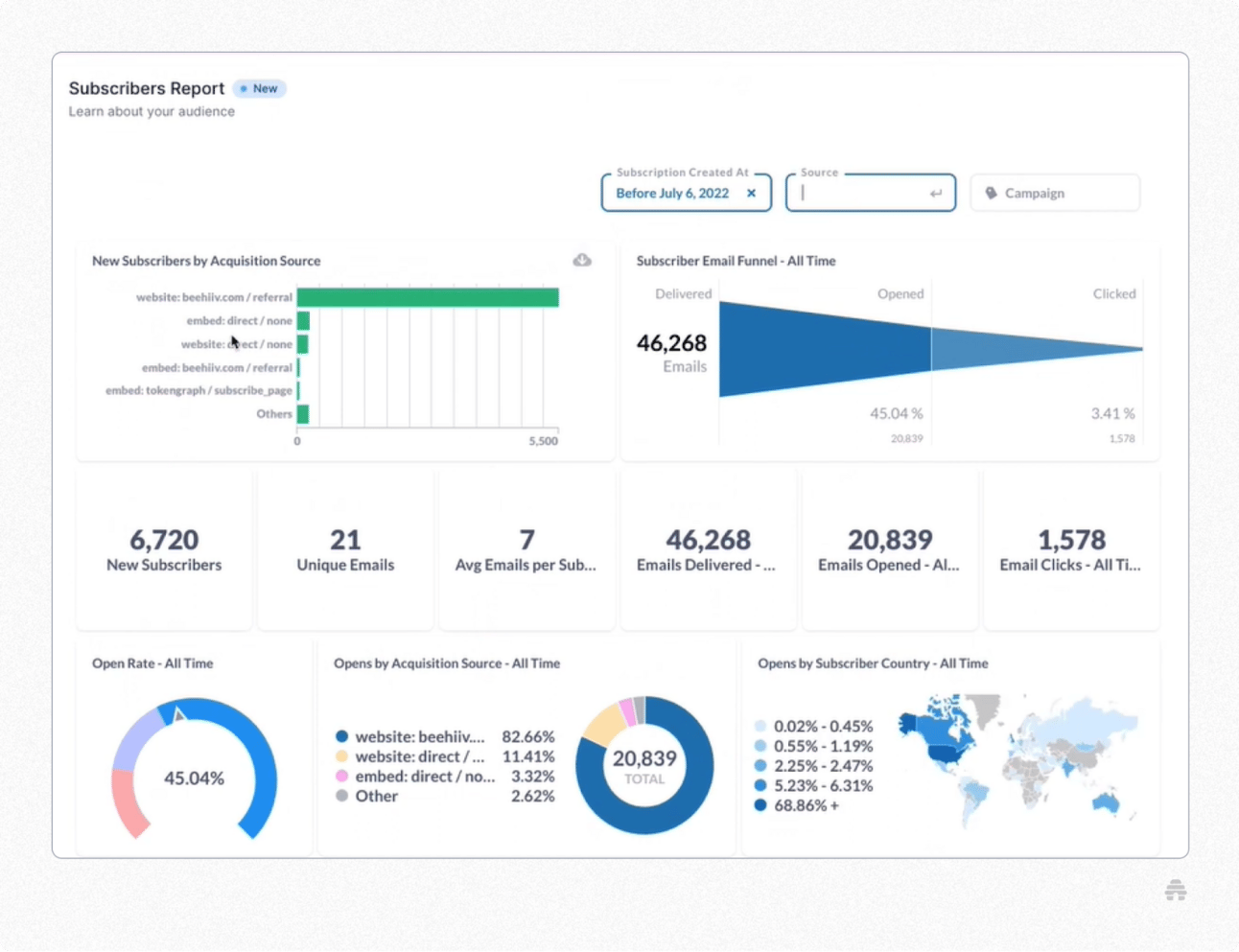
Email: all providers will give you the option to track engagement. Look at open rate (% of people that opened your email - you want to be in the 30%+ range), click through rate (% of people that clicked on links), and unsubscribe rate (keep that sub 1%). I will be going deeper on emails and newsletters in an upcoming post, but the rule of thumb for how to solve email woes is: if your open rate is low, test different subject lines (a strong hook, emojis, a teaser); and if clicks are low, test placement of your call to action (move it higher or add it in multiple places).
Example from beehiiv
Social: you will want to look at a number of metrics, but if you’re trying to get an immediate understanding of how your account or post is performing, look at engagement rate (you can calculate this in many ways. I prefer (likes+shares+comments)/reach)). This will give you an idea of how engaged those that see your posts are. The sweetspot here is 25-35%+ for a generally considered strong engagement rate.
Start to analyze your reach patterns, where your reach is coming from (Explore/FYP page will be your best bet for growth!), where your audience is (if you’re getting a lot of engagement from Canada, let’s say, maybe a good idea to invest in some marketing or promos there!), and when your audience is most active (for Instagram, that tends to be in the morning and for TikTok, usually evenings….but yours may be different!)
Use that data to strategize on what you should post, when, and who you should target if you do a boosted post.
If you’ve read this far, go get yourself a treat. Have a coffee. Take a couch break. You deserve it. I will be going more deep into a lot of these topics over time but hopefully this is a good reset and reminder on what matter most in the Scary World of Marketing Your Book (patent pending)!
xo Ada
thank you for this. I needed it to remind myself of the things I can (and can't) control in marketing. Do you happen to have any good examples of Linktree alternatives as website pages that you could point me at?